Understanding a thief’s mindset
risk evaluation
A thief often weighs potential gain against the risk of getting caught. If the payoff seems high and the chance of getting caught appears low, a theft may seem “worth it” in the moment.
Rationalisation
Visible, obvious weaknesses like an unlocked bike, weak security products, or a low-visibility, low-traffic area signal to a thief that the chance of a successful theft is high meaning they are more likely to attempt to steal the bike.
When a bike looks difficult to steal, through robust locks, locked wheels, and a secure anchor, the thief’s moral calculus shifts. They are likely to move on to an easier target or choose a different location with better odds.
Practical, commuter-focused security tips
- Lock up every time, everywhere: Even if you’re just running into a store for a quick purchase, lock your bike. Opportunistic theft happens in seconds.
- Lock the frame and the rear wheel to a solid object: This prevents quick thefts and makes it harder to ride away.
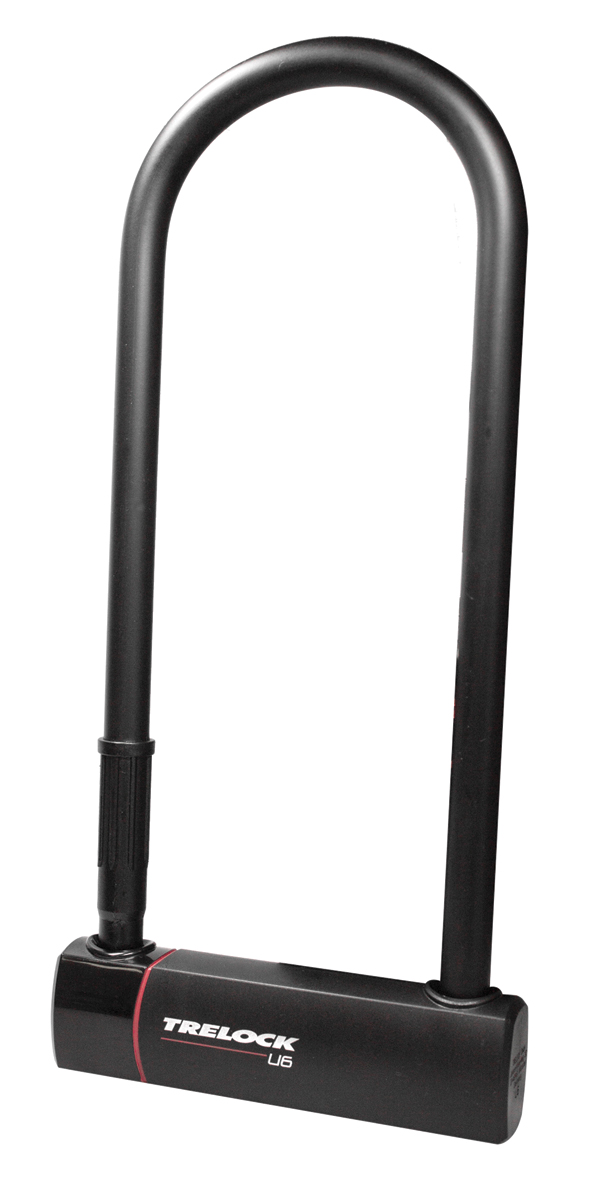
- Get the tightest fit possible! The less room inside of the lock, the more difficult it is for thieves to use their tools.
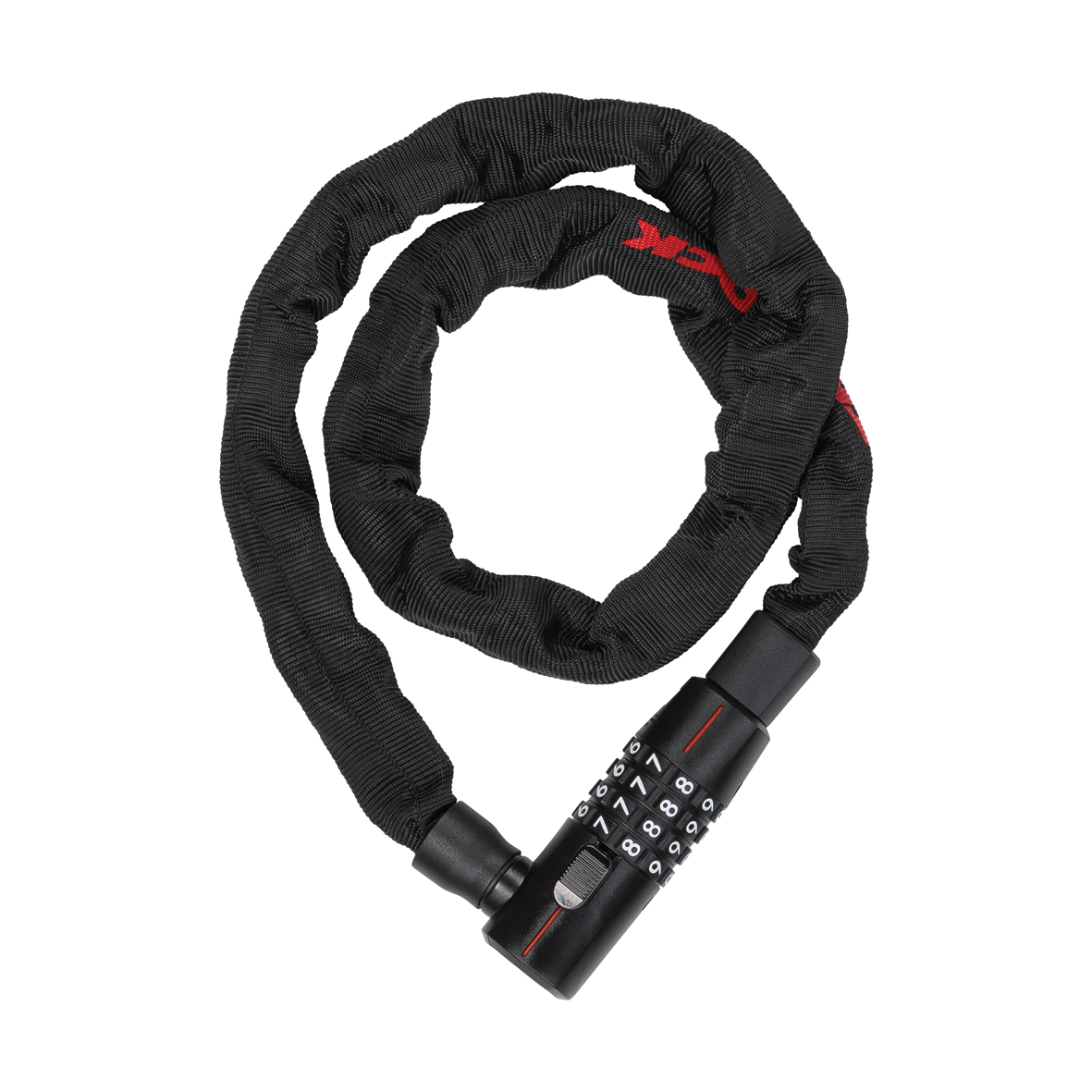
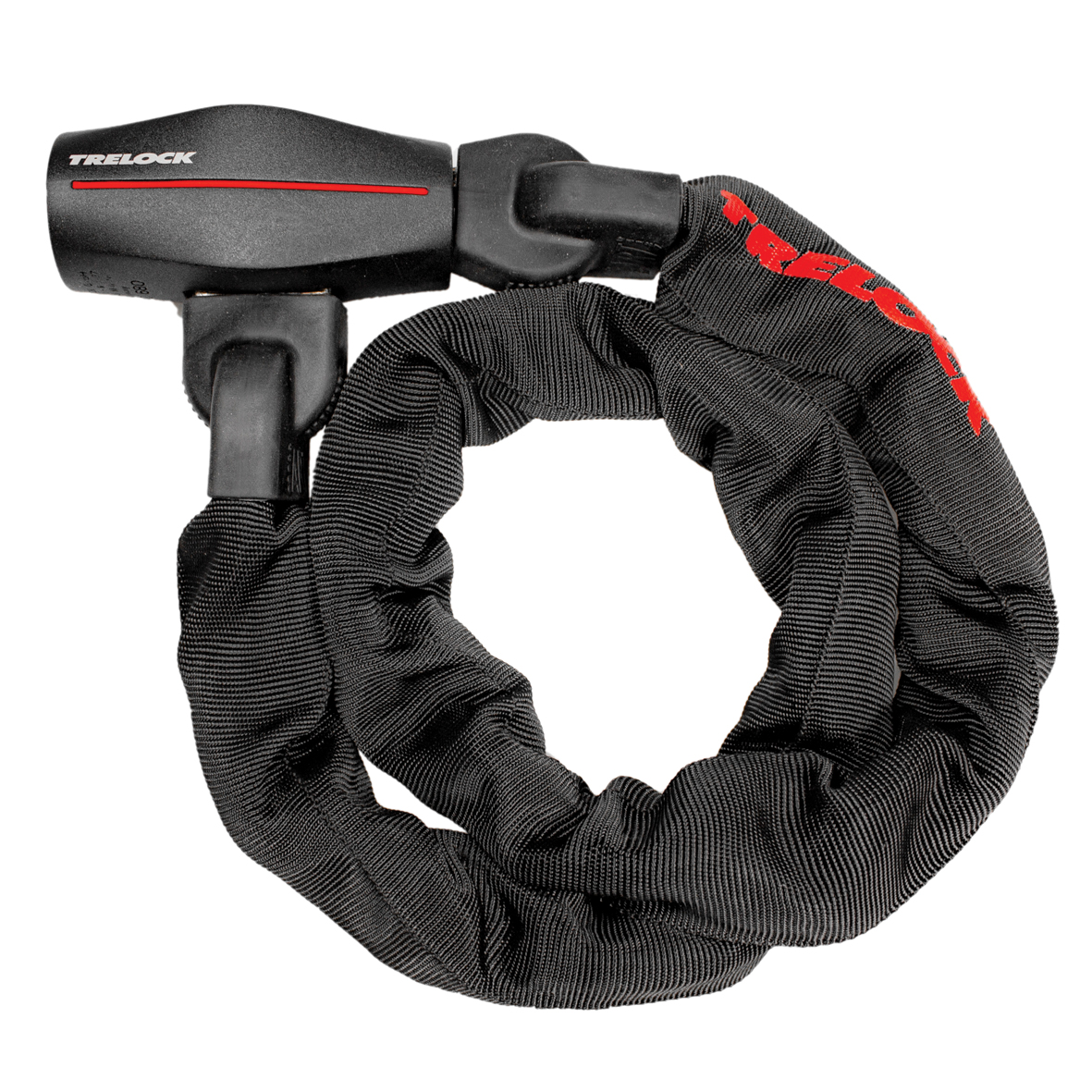
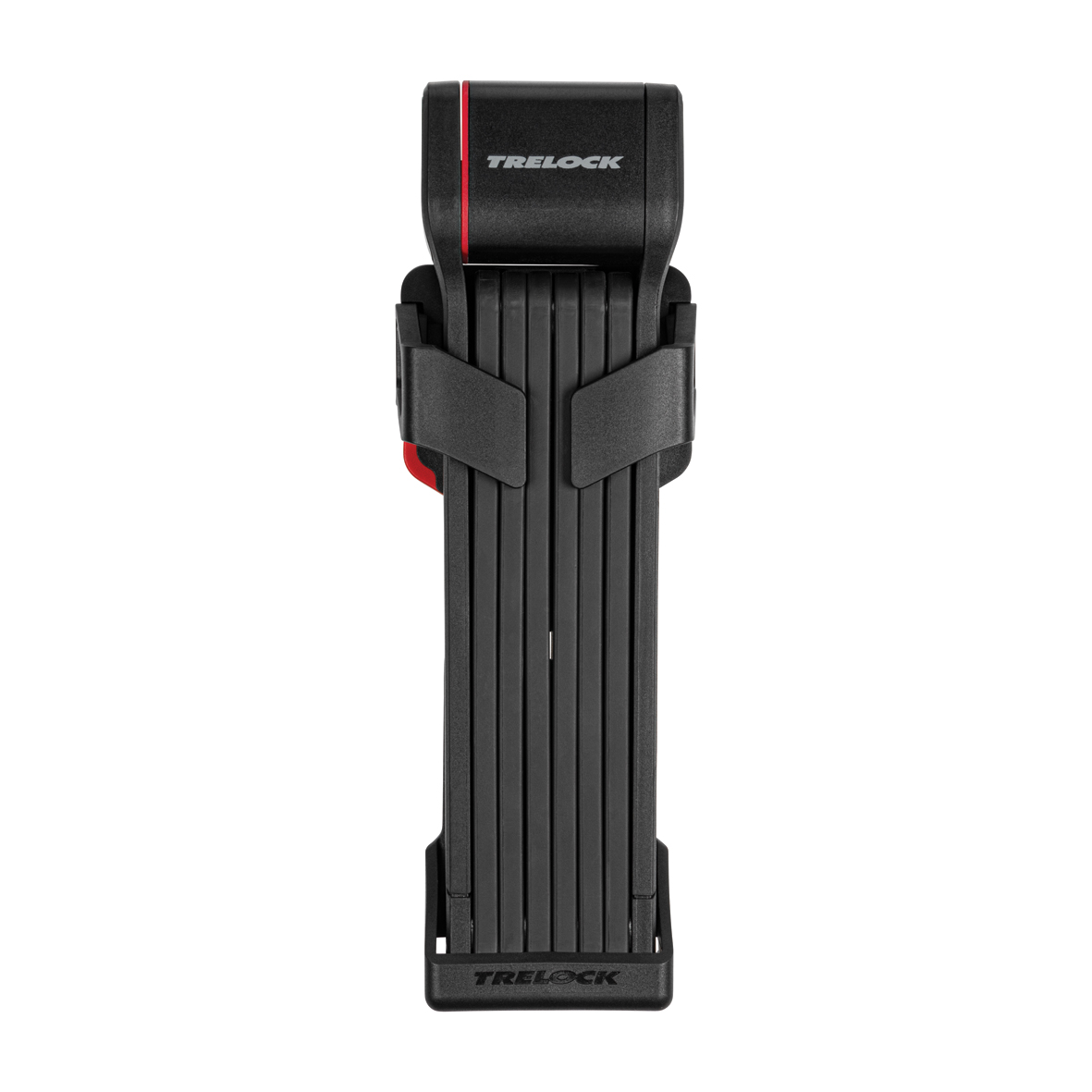
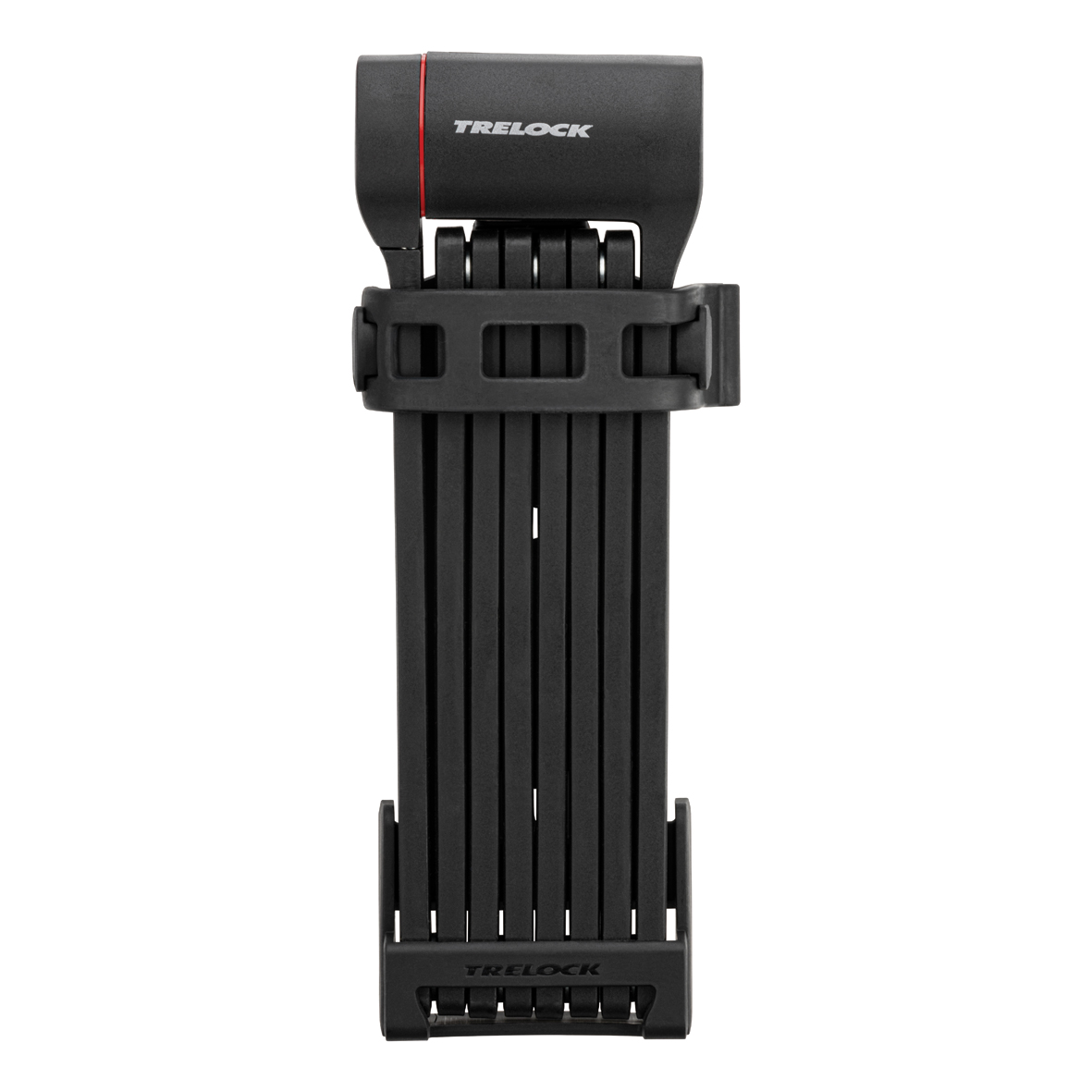
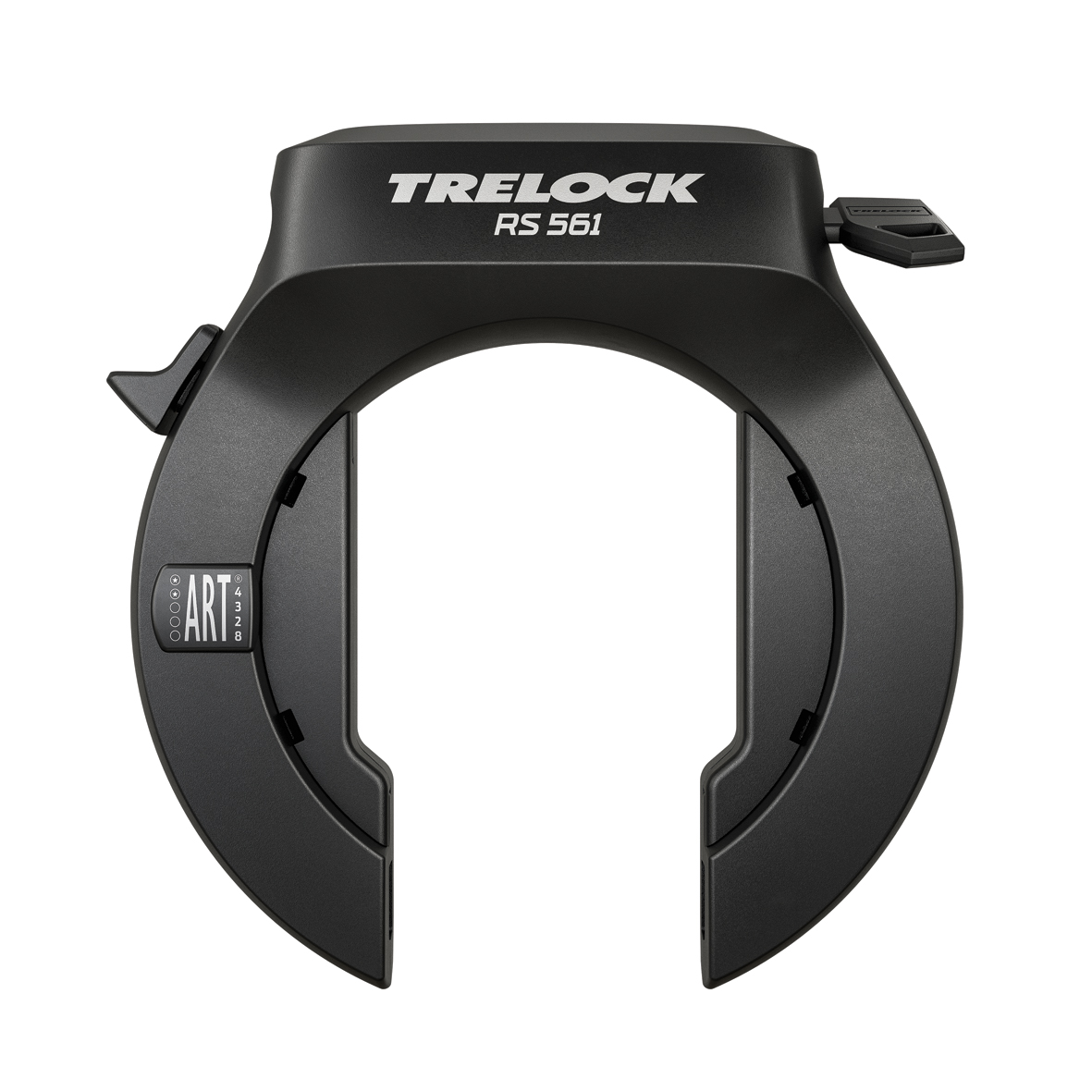
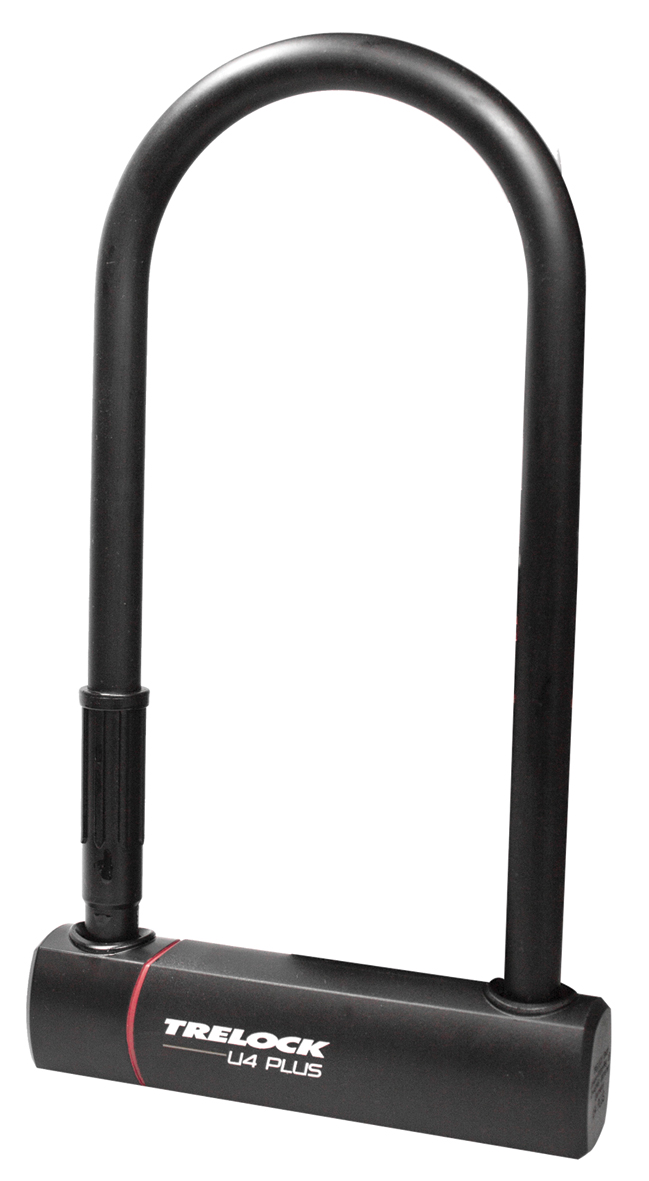
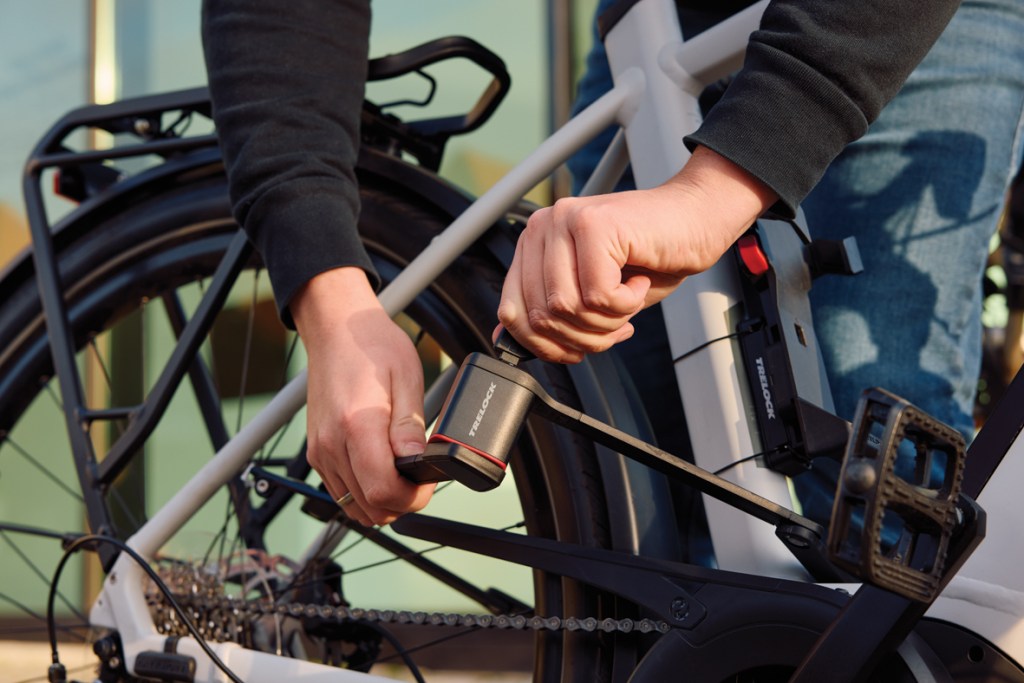
- Use two locks of different types: For example, a U-lock plus a folding lock for the second wheel or seat. The idea is to deter quick, brute-force thefts that rely on predictable methods.
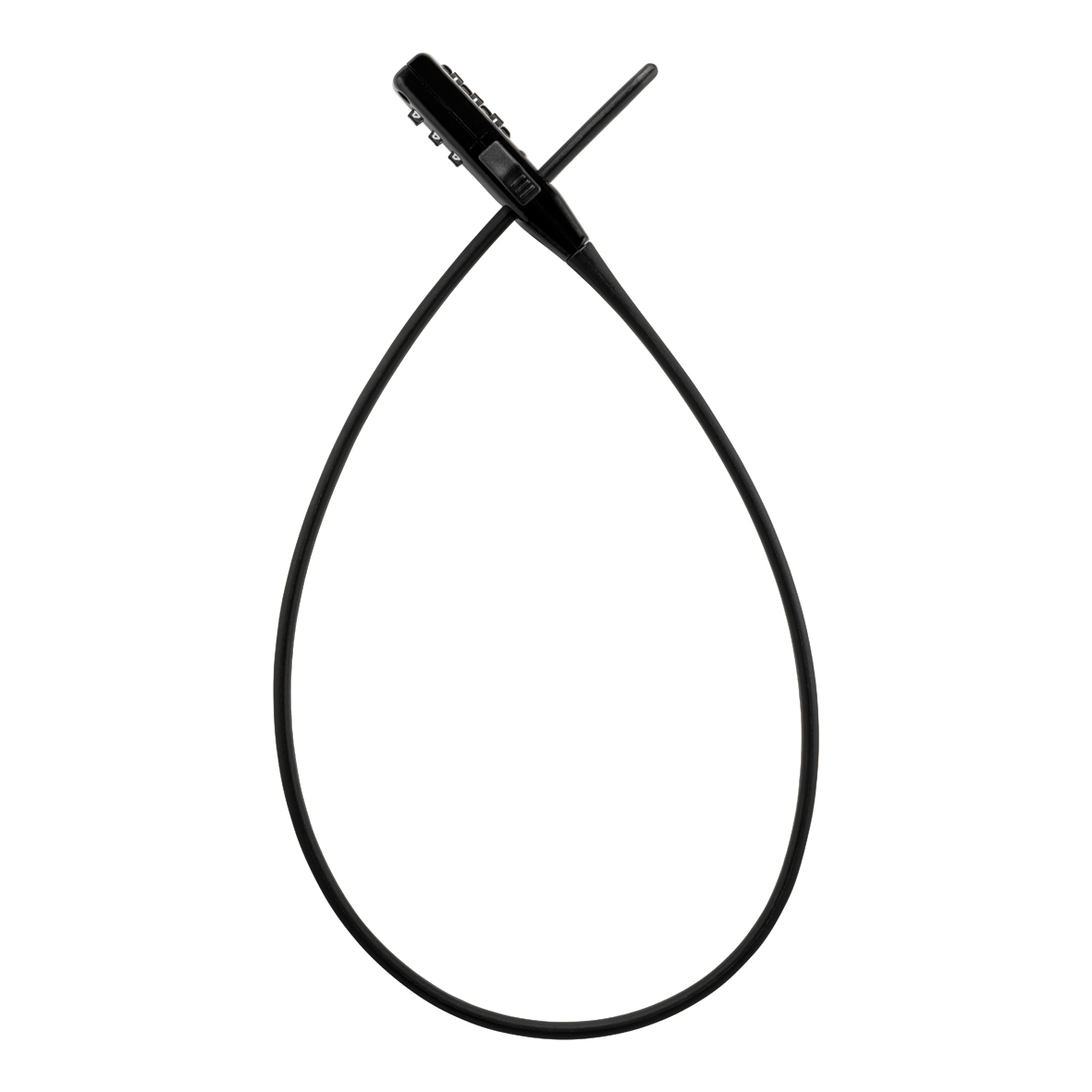
- Don’t compromise on lock quality: Invest in a high security product from a reputable brand with a proven security rating. Cheaper locks are likely to fail quickly when attacked.
- Choose your parking spot strategically: Preferably secure bike parking facilities, indoor or sheltered racks, or shaded, well-trafficked corners with cameras if possible. Avoid locking in poorly lit, isolated areas with low foot traffic.
- Remove or secure easy-to-steal components: If your bike has easily removable accessories, either take them with you or secure them with locking bolts.
- Make it easy to identify your bike: Use visible identifiers (color, unique marks) and keep a photo record. This helps in recovery if a theft occurs.
- Use a bike-specific anchor where possible: Many workplaces, universities, and transit stations offer bike rooms or racks. These are generally more secure than a stand near a sidewalk.
- Consider a secondary deterrent for longer parking: For longer workdays, consider a secondary security measure like a covered or dedicated bike cage, if available.
- Stay aware of surroundings: Be mindful of suspicious activity around bikes you see - someone lingering around, messing with locks, or avoiding cameras. If you notice something off, move to a different area or seek help.
Summary
In summary, understanding that a thief is weighing up risk versus payoff can help you plan your bike security in a way that makes your ride not worth the effort. By locking properly, using solid anchors, avoiding obvious vulnerabilities, and adding deterrents like registration and trackers, you dramatically reduce the likelihood of theft. Your daily commute should feel like a routine you control, and with these strategies, it can be!