Seeing and being seen
Safety starts with visibility
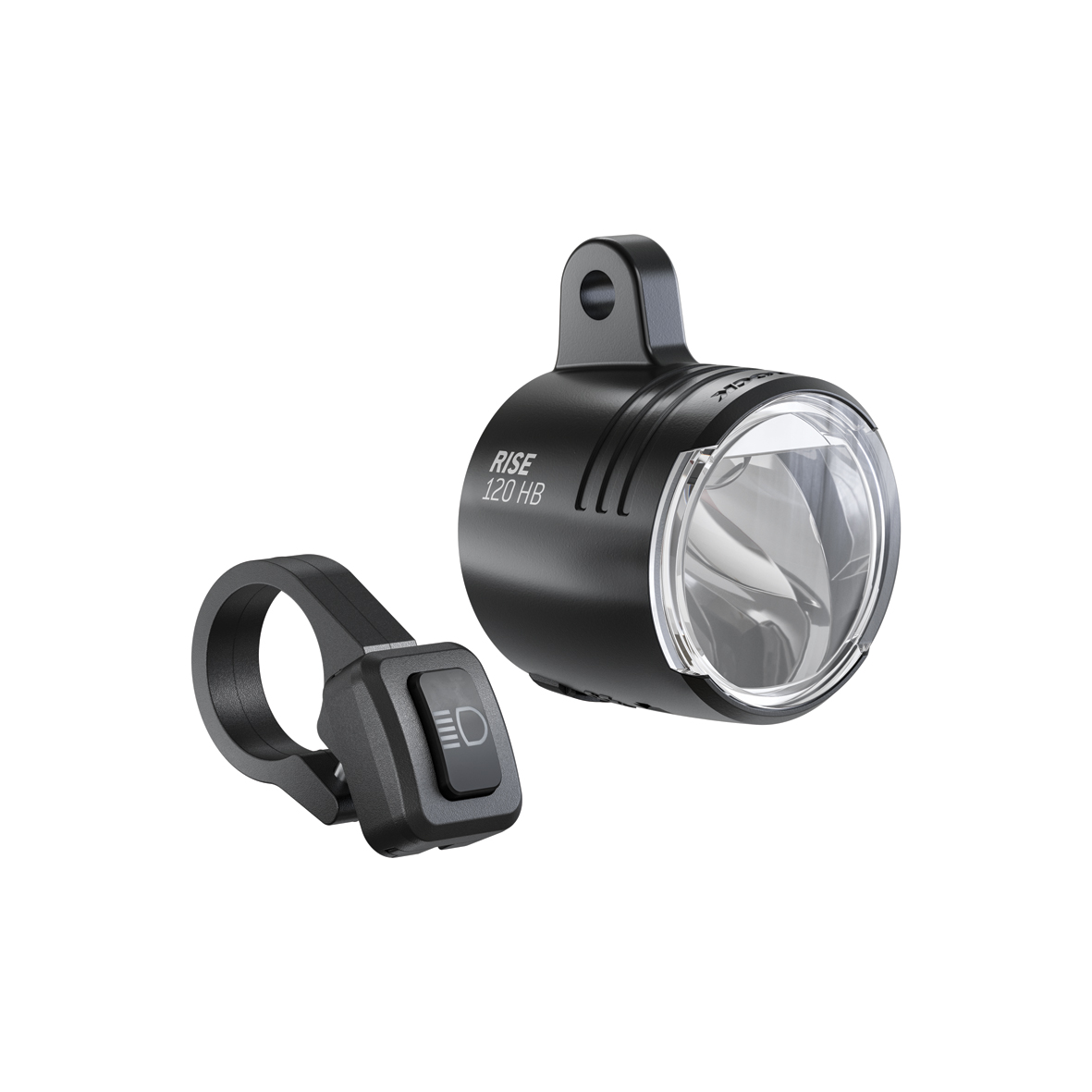
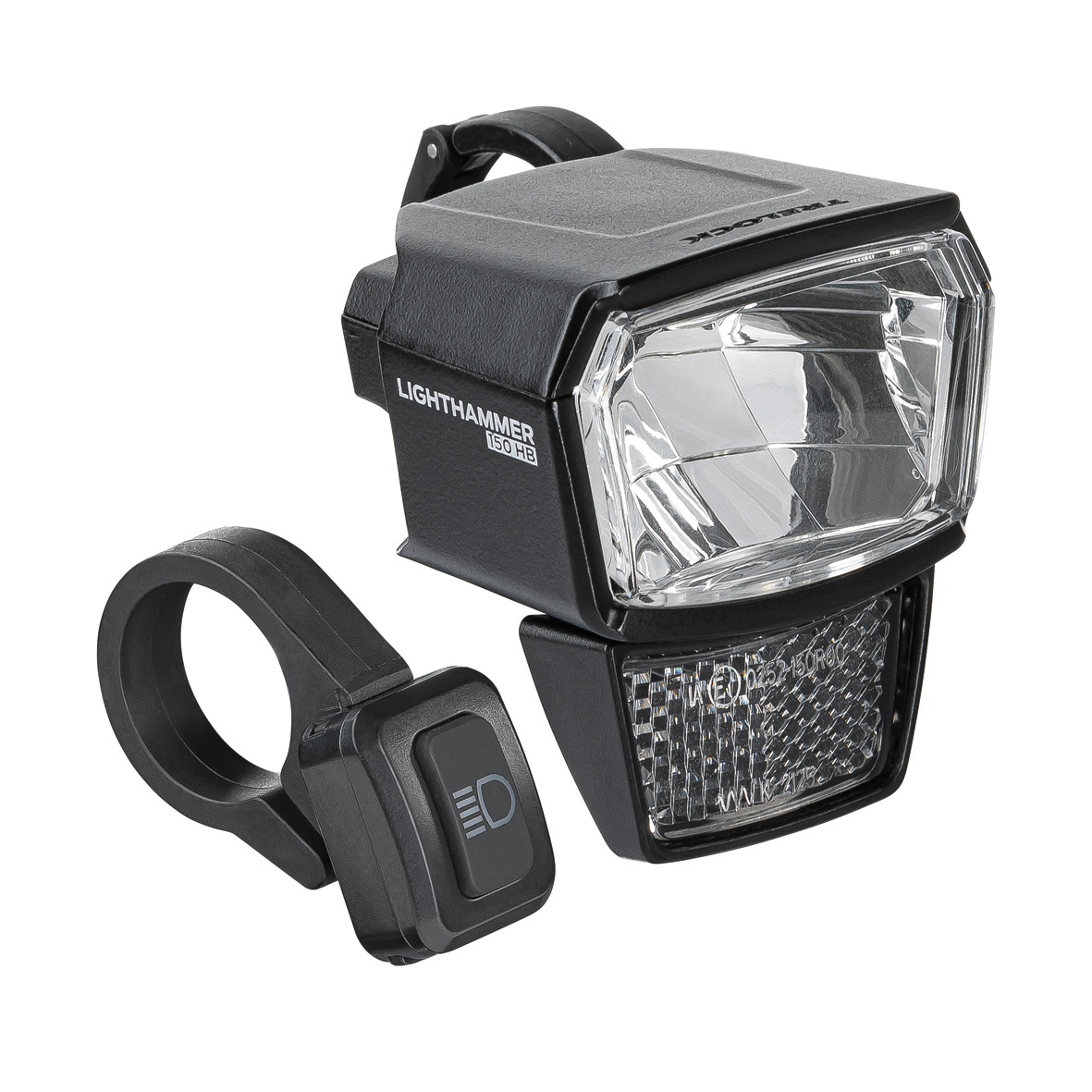
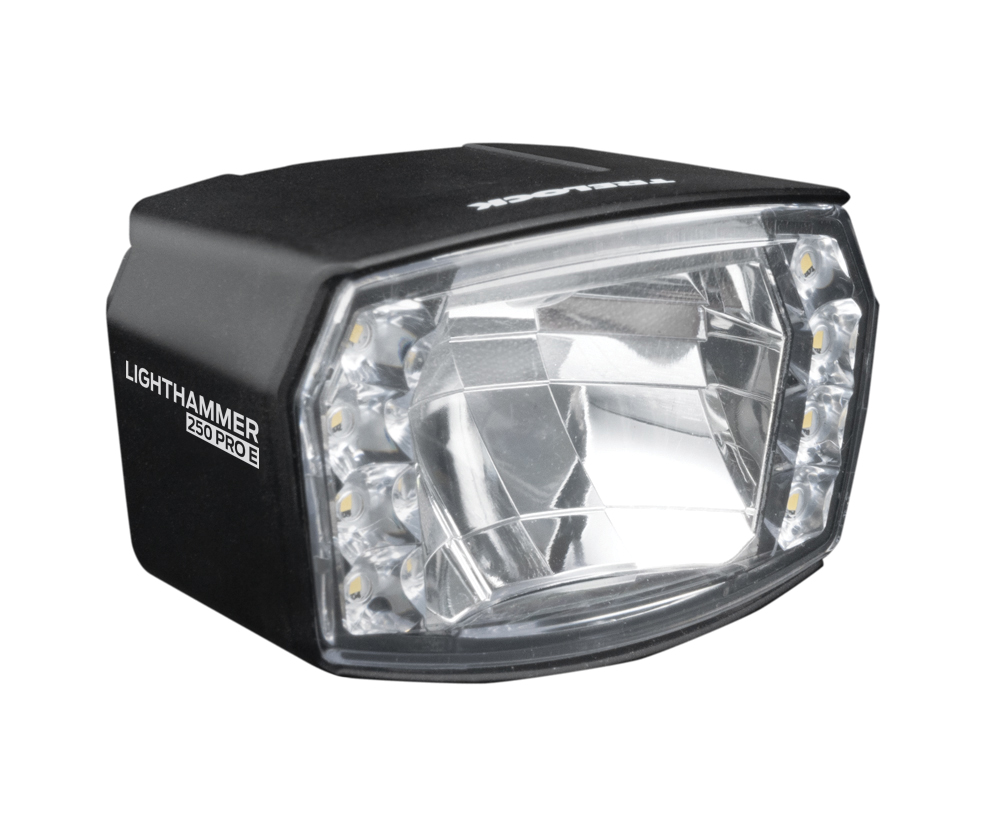
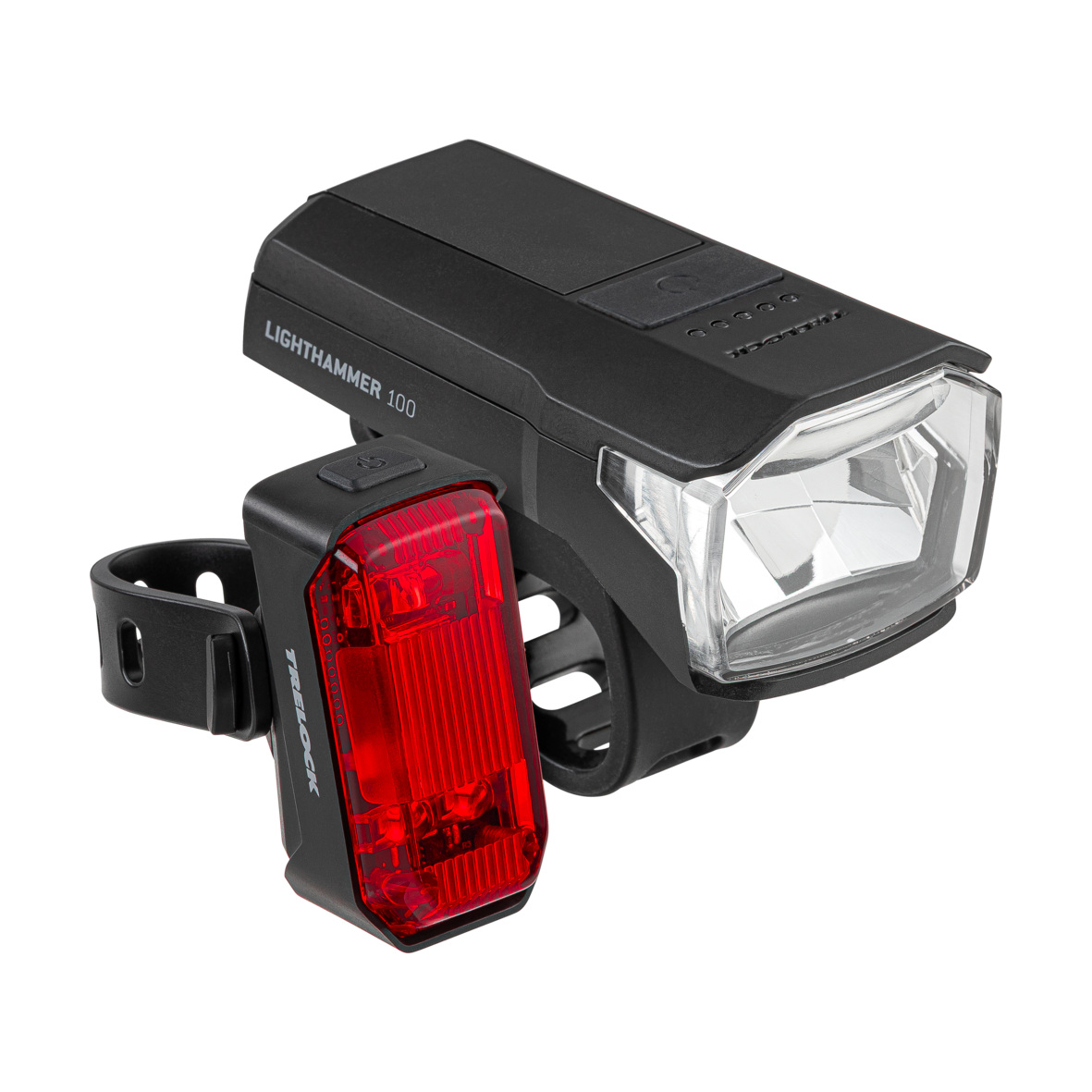
Good lighting is not a comfort feature but an essential part of your active safety on the road. Whether in darkness, fog, or twilight — only those who see and are seen travel safely. At TRELOCK we understand lighting as a system: precise light control, high efficiency and maximum reliability — developed for the demands of modern bicycle technology. Let's do deep dive into bicycle lighting:
ILLUMINATION
THE RIGHT LIGHT FOR YOU
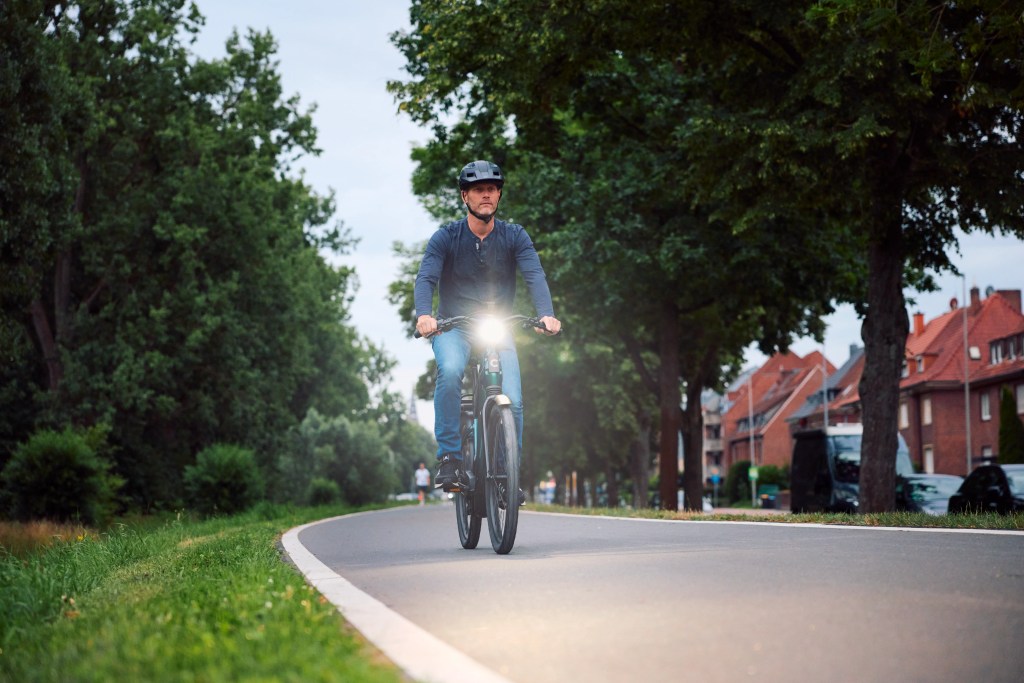
The job of the front lamp is to illuminate your roadway optimally without dazzling oncoming traffic.
Pay attention to the following parameters:
Light intensity (Lux): Indicates how brightly the road is lit at a defined distance (usually 10 m). 30 Lux is considered a solid minimum; 80 Lux and above offer clear advantages on unlit paths.
Light distribution:
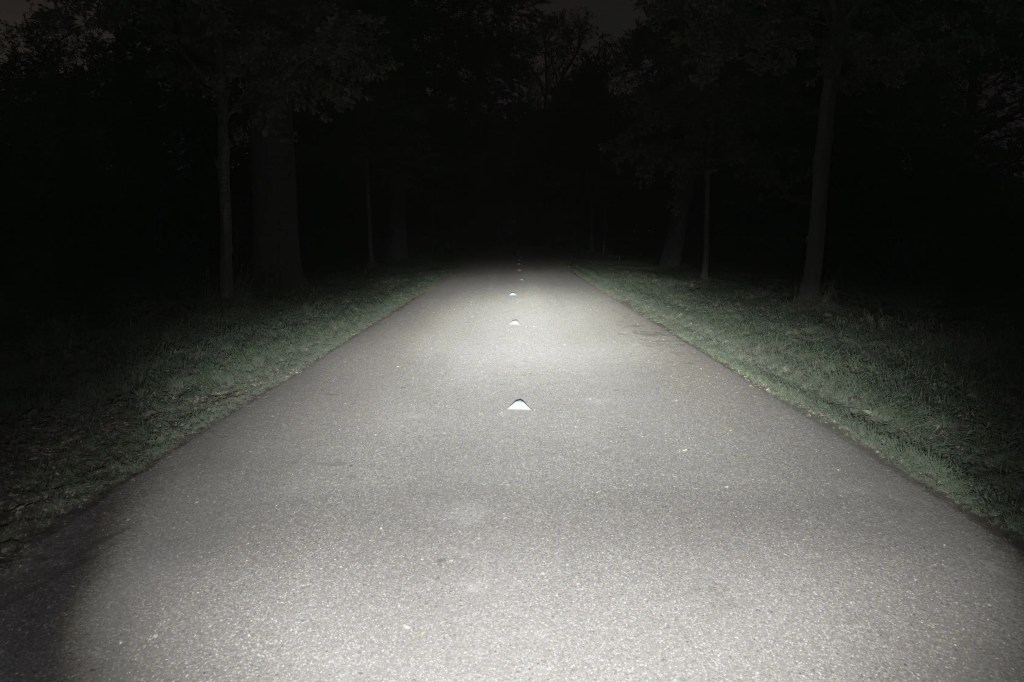
When you switch on your bicycle light and look at the beam pattern, you should see a sharp cutoff at the top if it is installed correctly. This prevents dazzling other road users. Also ensure that the lighting is even and wide so that you can keep a close eye on your immediate surroundings. Experts refer to this as near-field lighting.
Light color:
Neutral white light (4,000–5,000 K) enables realistic color perception and better contrast recognition. Good illumination is precision work and directly improves what you can see.
AREAS OF EXPERTISE
POWER SUPPLY
DYNAMO OR BATTERY
Hub dynamo systems
These systems provide constant power, are low-maintenance and independent of charging cycles.
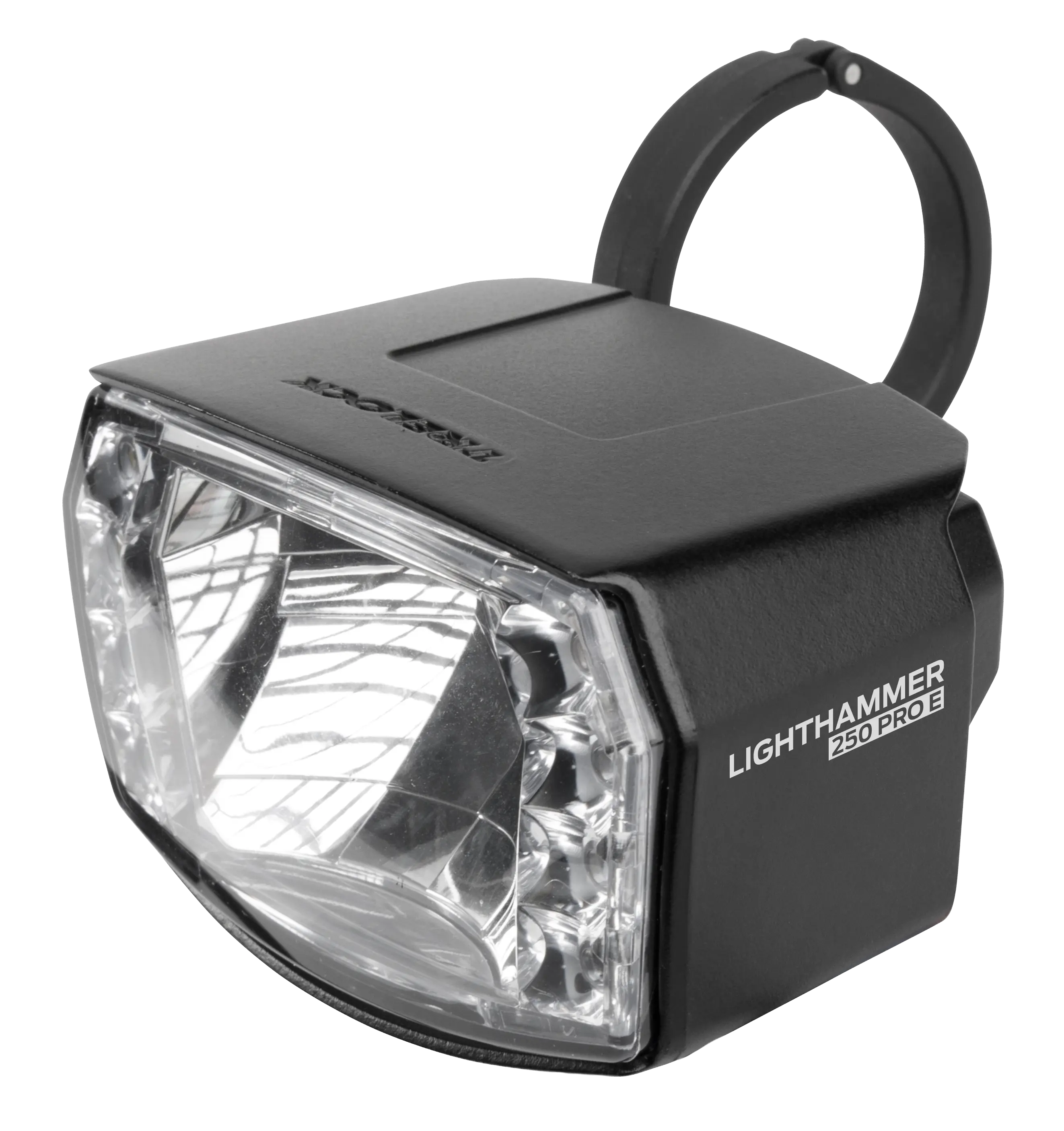
E-bike lightings
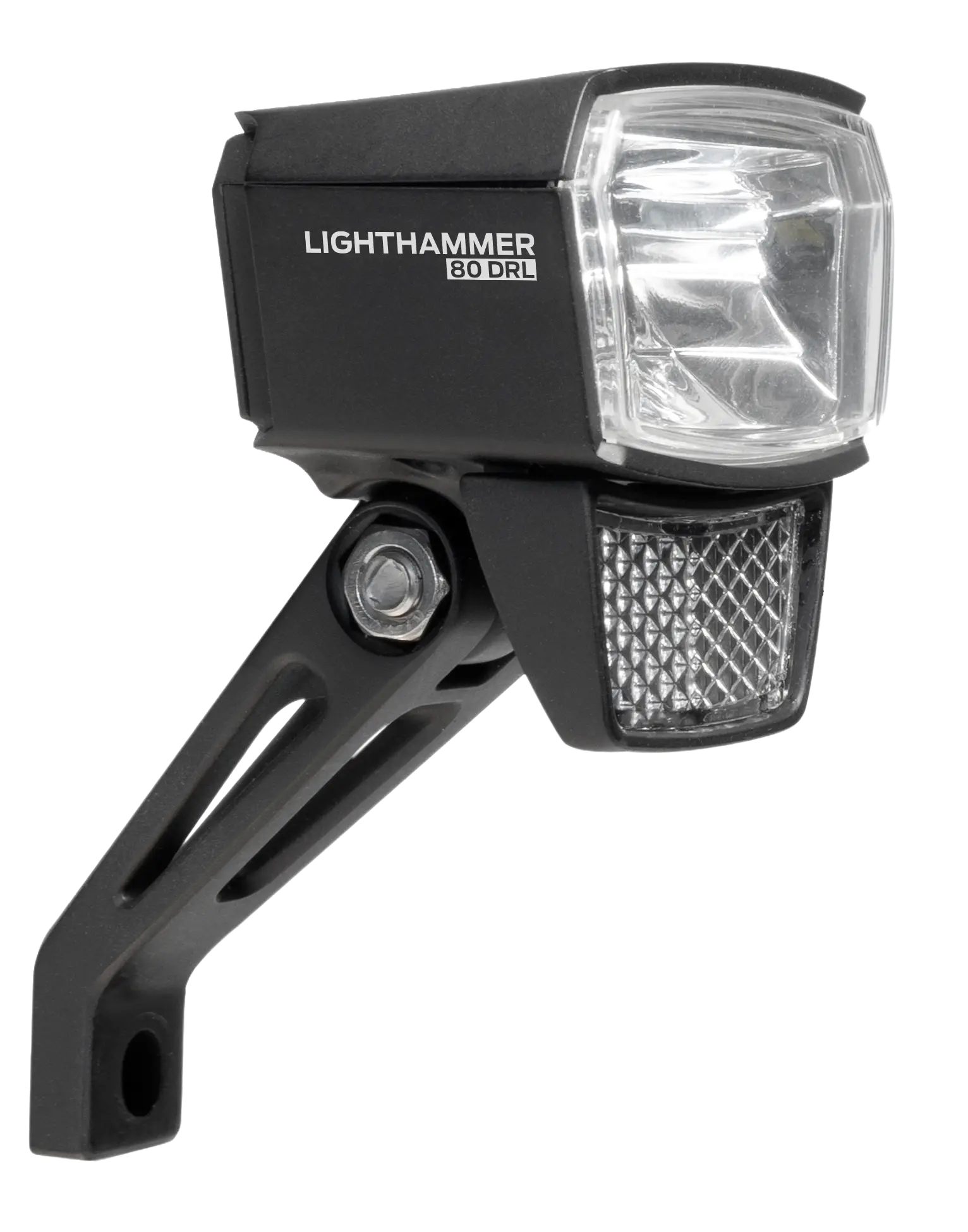
E-bike lighting is powered directly by the bike’s battery. This allows for even more powerful lights and features such as high beams. But: no battery, no light!
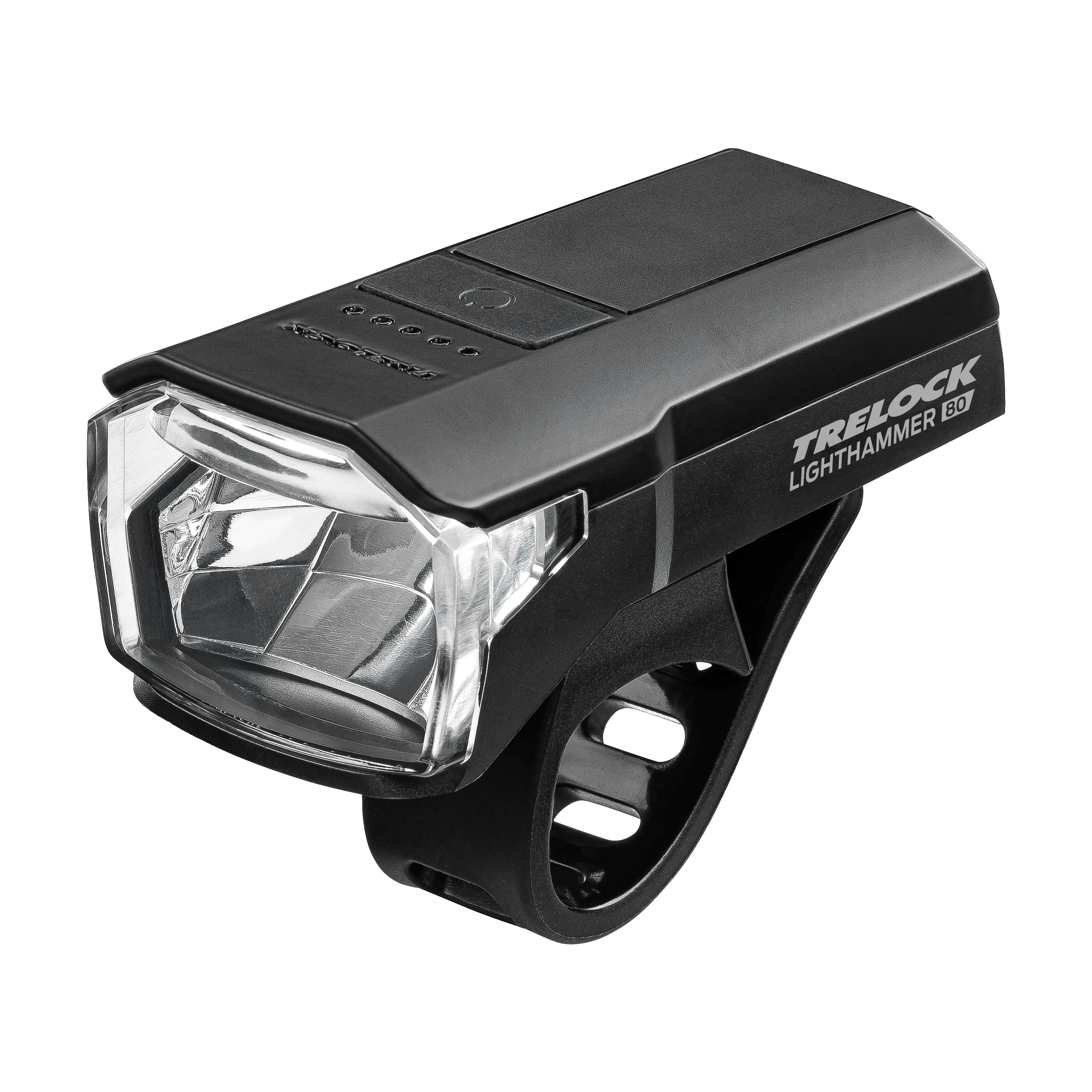
USB battery lights
USB battery lights offer flexibility and partly high output but require regular checking of the charge level.
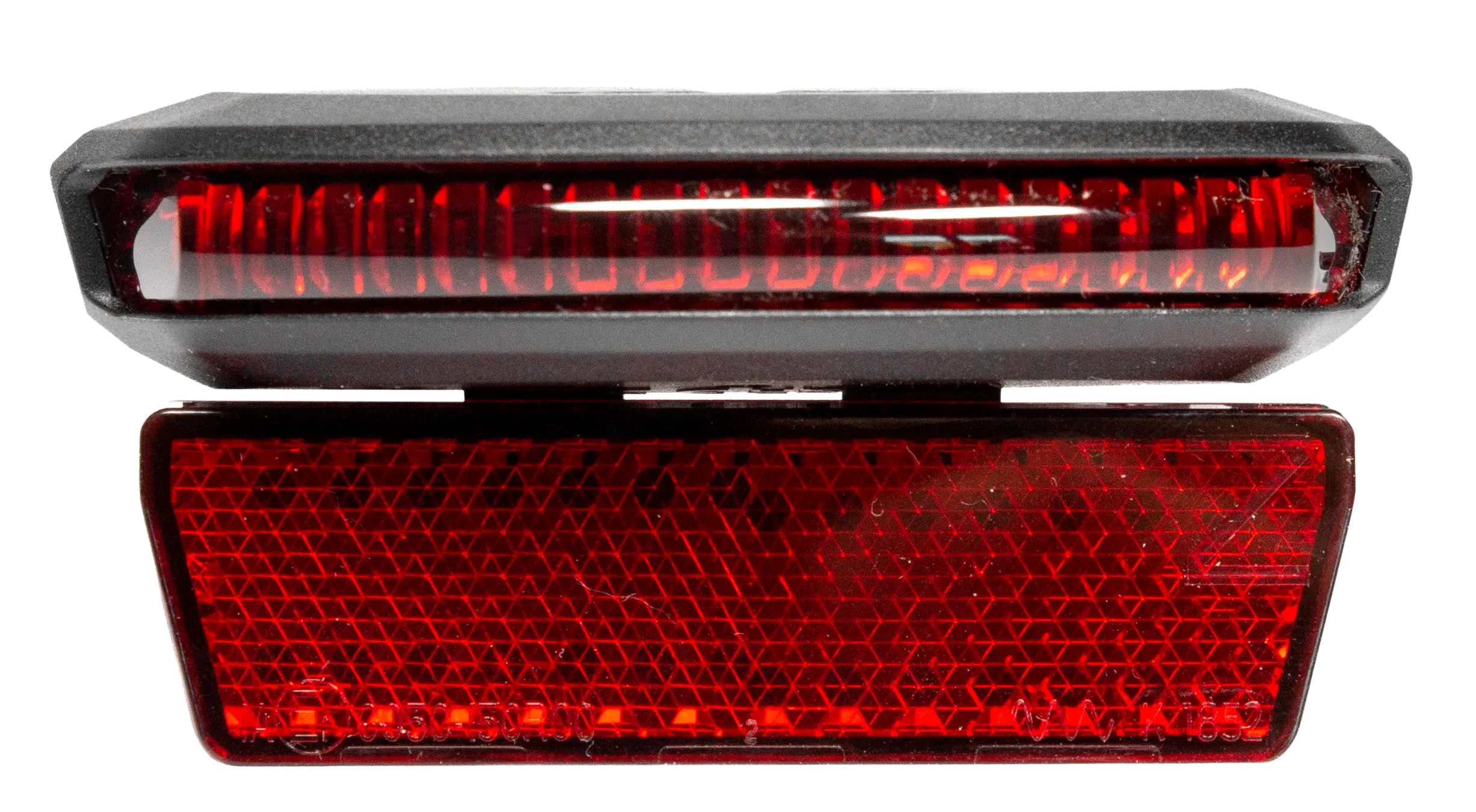
Hybrid solutions
Hybrid solutions combine both, dynamo and battery systems, and ensure lighting even when stopped — for example with a stand light function.
correct usage
Recommendationsfor your bike lights
Lighting technology is always precision work. Good illumination not only means more safety for you and those around you, it also increases riding comfort.
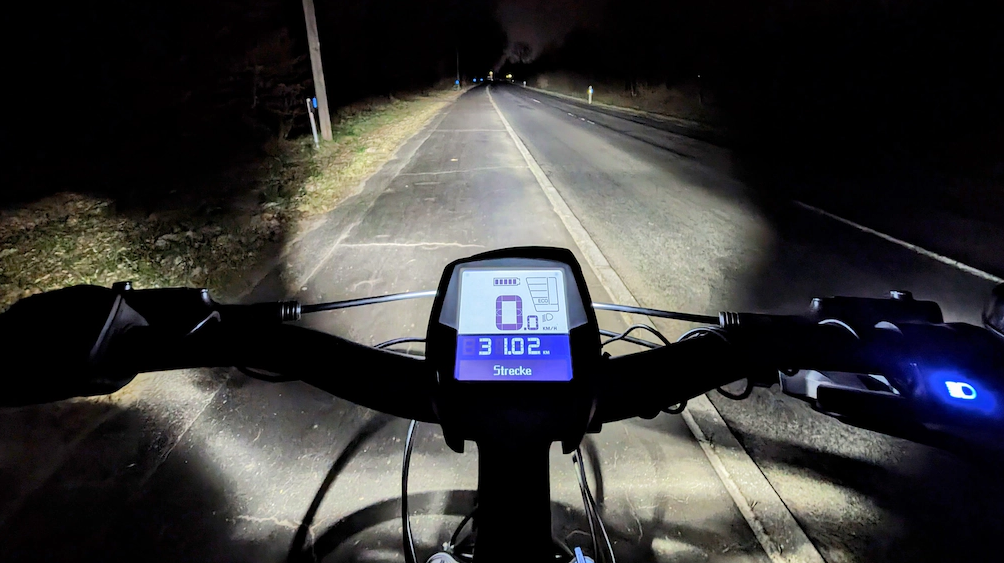
Aim your front light precisely
The beam should end 10 m in front of the bike to prevent glare and ensures optimal road illumination
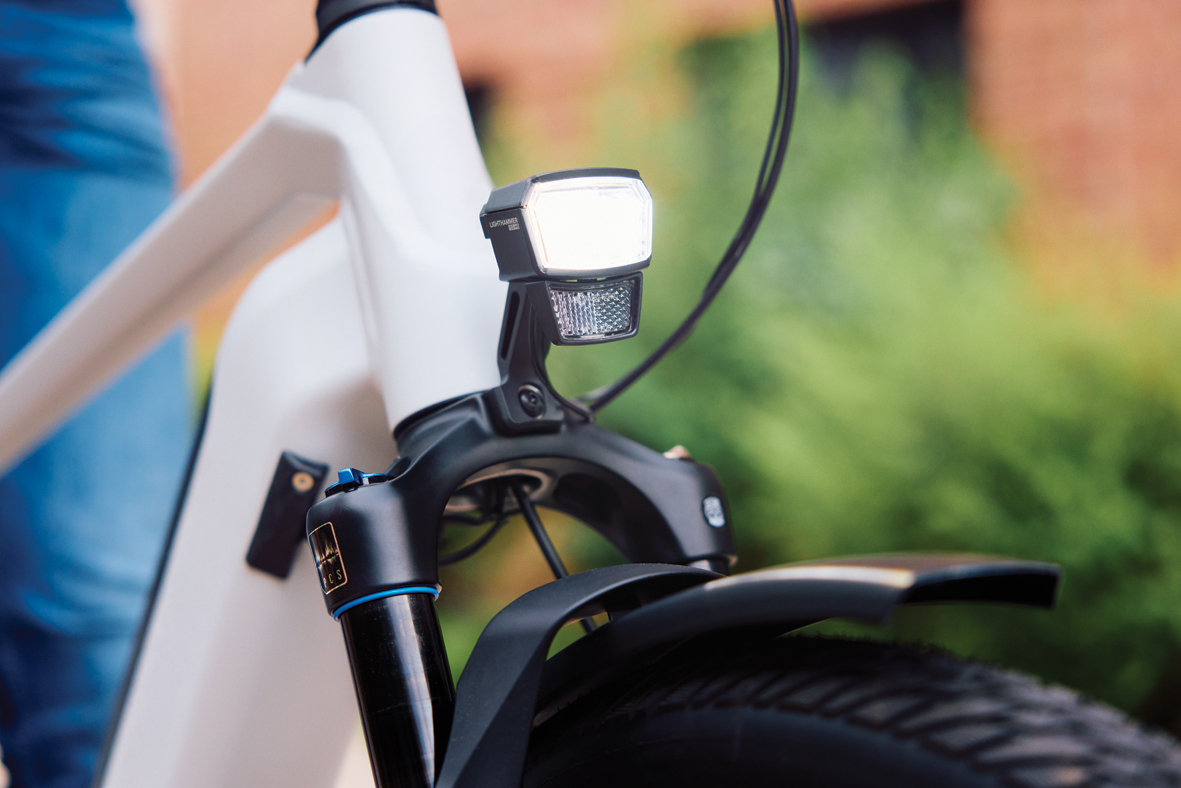
Maintenance for optimal visibility
Clean lenses regularly and check cables, connectors and mounts.
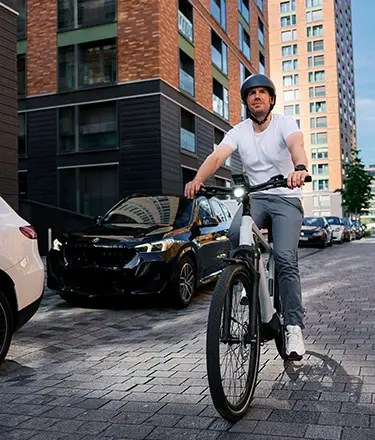
Ride with lights during the day too
The daytime running light function significantly increases visibility.
LUX vs. LUMEN - WHAT MATTERS MORE FOR CYCLISTS ?
Lumen (lm): Total amount of light the lamp emits. Indicates how bright the lamp is in general.
Lux (lx): Illuminance — how much light per square meter strikes the ground. The higher the Lux value on the roadway, the better you see obstacles, lines and road conditions.
Clearly — the Lux value of a lamp is decisive. On the roadway it directly affects your visibility and perception. Crucial is how evenly and sufficiently the area in front of you is lit, how far the illumination reaches and how well details like edges or potholes can be seen.
Lumen does indicate the total light output of the source but does not represent the quality of the lighting. Without an optimized beam pattern, a high lumen number is of little use because the light is not efficiently directed onto the road and may dazzle other road users.